Loading...
Serving Junction City, KS and surrounding areas. (785) 209-5924
If your home was built before 1980, it almost certainly falls short of what Kansas winters and summers demand. Retrofit insulation adds what is missing - without tearing out walls or disrupting your home - so you hold temperature better and pay less every month.
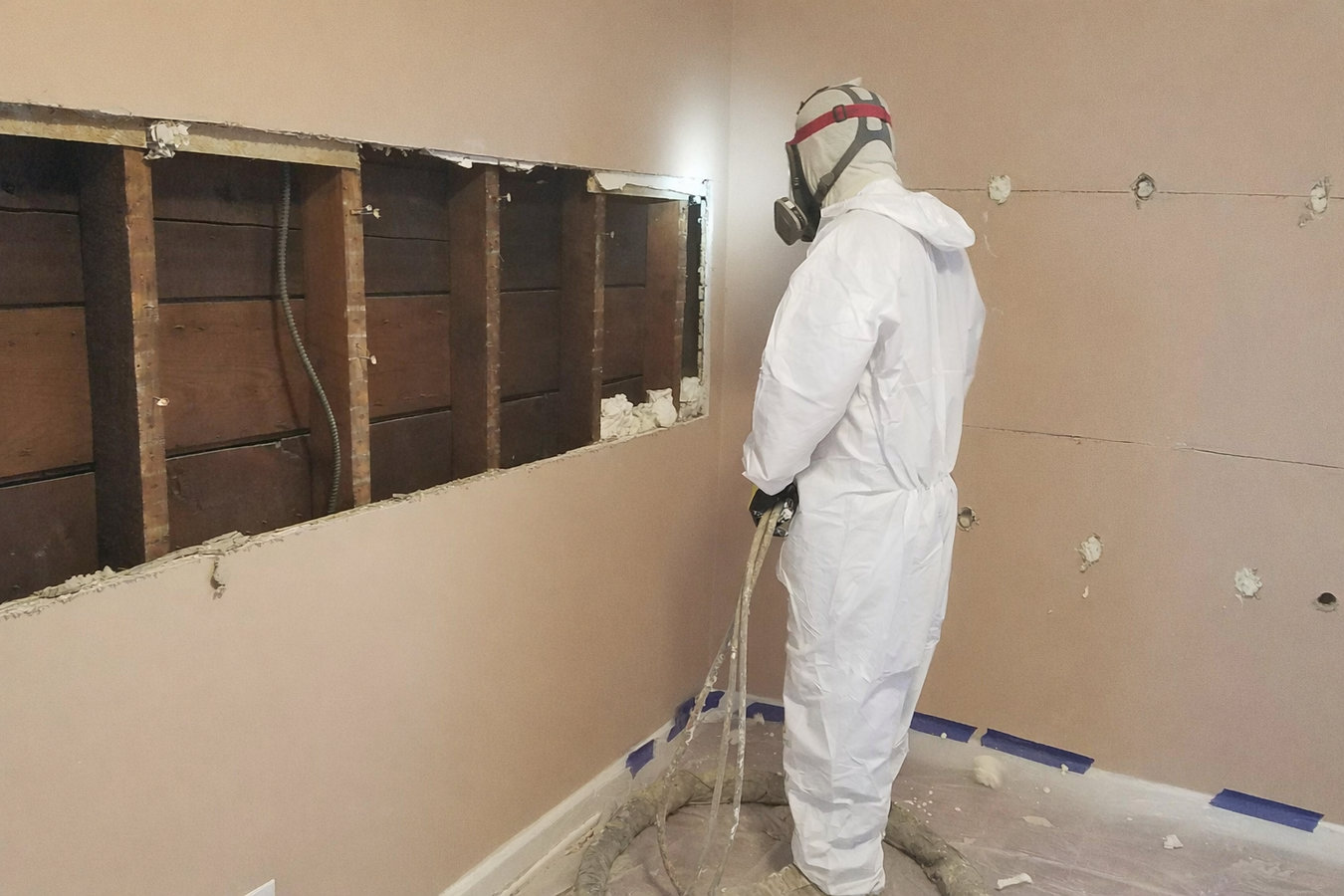
Retrofit insulation in Junction City means adding insulation to a home that is already built - blowing, spraying, or injecting material into attics, walls, and crawl spaces through small openings - with most attic jobs completed in a single day and no need to tear out walls or leave your home during the work.
Junction City has a large share of homes built in the 1950s through 1970s, when insulation standards were far lower than they are today. Many of those homes were built with little or no wall insulation and minimal attic coverage - which means they are losing heat in winter and absorbing it in summer, and the homeowner pays for that gap every single month. A quality retrofit job always starts with air sealing the gaps around light fixtures, pipes, and framing before any new material goes in - because insulation alone cannot stop air from moving through those openings. If you want to address just the sealing step first, our attic air sealing service is the right place to start.
For attic work specifically, our blown-in insulation service covers the materials and methods in more detail, including the difference between cellulose and fiberglass options for your climate zone. For homeowners who want the highest performance option - especially for crawl spaces and rim joists where moisture control matters - our spray foam insulation service seals and insulates in a single application.
If your energy bills seem high compared to neighbors with similar-sized homes, inadequate insulation is one of the most common causes. In Junction City, where both summer and winter put heavy demands on your HVAC system, a poorly insulated home can cost hundreds of dollars more per year than it should. Pull up a few recent bills and compare - if the numbers surprise you, it is worth having someone look.
If one part of your house always feels too hot or too cold no matter how long the heat or air conditioning runs, that area is not holding temperature the way it should. In older Junction City homes, this is especially common in rooms on exterior corners or above uninsulated crawl spaces. It is not a thermostat problem - it is a building envelope problem.
If you can peek into your attic and see the wooden joists clearly above the insulation, you almost certainly do not have enough. Older compressed batts with gaps between them are also a sign the coverage is not doing its job. Junction City's temperature extremes mean your attic needs a thick, even layer to perform well.
If you noticed ridges of ice building up along your roof edge during a cold spell, that is a classic sign heat is escaping through your attic and melting snow unevenly. Kansas winters can produce exactly the freeze-thaw cycles that cause this. Ice dams can damage your roof and gutters, so this signal is worth acting on before the next cold season.
Every retrofit job starts with a home assessment - a technician walks through and inspects the attic, crawl space, and any other areas of concern before anything is quoted. They measure how much insulation is already present, check for gaps and air leaks that need to be sealed first, and look for any moisture or damage that should be addressed before new material goes in. That inspection shapes the entire scope, so the estimate you receive reflects what your home actually needs. For attic work, a crew arrives with a truck-mounted blowing machine and runs a hose up through the hatch, filling the attic floor evenly to the required depth. Most attic jobs are done in a single day.
Homeowners who want to address the whole home can combine attic work with blown-in insulation for walls and with attic air sealing as the critical first step before any new material goes in - the sequence that actually delivers lower energy bills.
Best for homes with thin, settled, or inadequate attic coverage - blown-in material added to the correct depth for this climate zone in a single day.
Right for older homes with uninsulated or under-insulated exterior walls - foam or dense-pack material injected through small holes with minimal disruption to finished surfaces.
Suits homes with uninsulated or poorly insulated crawl spaces - targeted treatment that reduces heat loss through floors and addresses moisture conditions at the same time.
Ideal for homeowners who want a complete picture before committing - a thorough inspection of attic, walls, and crawl space with a prioritized recommendation for where to start.
Junction City sits in a climate zone where summer highs regularly push past 95 degrees and winter lows can drop below zero. That is a wider temperature range than most of the country, which means your insulation is working hard in both directions all year. The recommended insulation level for attics in this part of Kansas is among the highest in the nation, and a large share of the housing stock here falls well short of it - because many homes were built in the 1940s through 1970s when standards were much lower. High winds in central Kansas add another layer, actively pushing outdoor air through gaps in walls and framing and undermining even decent insulation when air sealing has been skipped. Homeowners in communities like Chapman, KS and Wakefield, KS face the same climate pressures and older housing conditions as Junction City proper.
Junction City is also adjacent to Fort Riley, one of the largest Army installations in the country, which means the local housing market sees a steady stream of buyers and renters comparing utility costs carefully. For homeowners planning to sell, documented insulation upgrades are a real selling point in this market. The U.S. Department of Energy provides a zip-code-based tool for looking up the recommended insulation levels for your specific home - and ENERGY STAR outlines how sealing and insulating together deliver the best results.
When you reach out, we ask a few basic questions - your home's age, which areas concern you, and whether you have noticed any specific comfort problems. We schedule a time to come out and look at your home in person before giving you a price. This visit is free and comes with no obligation. We reply within one business day.
We walk through your home and inspect the attic, crawl space, and any other areas you are concerned about. We check how much insulation is already present, identify gaps that need to be sealed first, and look for any moisture or damage that should be addressed before new material goes in. This typically takes 30 to 60 minutes.
After the assessment, you receive a written quote that breaks down what work is recommended, what materials will be used, and the total cost. We explain what we found in plain language - not just a number. This is also the right time to ask about Evergy rebates or the federal tax credit, and we can walk you through what documentation you will need.
The crew arrives with their equipment and gets to work. For attic jobs, blown-in material is added evenly across the attic floor. Most attic jobs finish in a single day. Once the work is done, the crew cleans up the access area and does a final check to confirm coverage is even. Your home is ready to use immediately - no curing time needed.
No pressure, no obligation - just an honest look at what your home needs and what it will cost.
(785) 209-5924Plenty of contractors skip the sealing step and go straight to blowing in material - which looks complete but leaves drafts and energy loss in place. We seal gaps around fixtures, pipes, and framing first, then add insulation on top. That sequence is the one that actually lowers your bills.
A large share of the homes we work on in Junction City were built in the 1950s through 1970s. We know where the gaps tend to be in those homes, what materials perform best in this climate zone, and what it takes to get coverage even in tight or low-clearance attics.
We show you photos from inside the attic before and after the work so you can see the coverage yourself. You also receive documentation you can use for the federal tax credit and for any applicable Evergy rebate - ready when you need it, not something you have to chase down later.
With so many homes in Junction City changing hands on military timelines, we are used to coming in and getting things back in shape quickly. Whether you just moved in or have been here for years, we give you a straight assessment of what the home actually needs - not a list inflated to pad the bill.
Doing the job right means doing it in the right order - seal first, insulate second, document the work so you can capture the tax credit and rebates you are entitled to. That is the standard we hold ourselves to on every job in Junction City and across central Kansas.
High-performance spray foam that seals and insulates in one step - a strong option for attics, crawl spaces, and rim joists.
Learn MoreThe most common material for attic retrofits - loose-fill blown to the correct depth for Junction City's climate zone.
Learn MoreBeat the next Kansas cold snap - most jobs are completed in a single day, and you will notice the difference before the season is over.